
It’s a scenario we see all the time. You’ve just moved into a new place, or maybe you’ve finally decided to get serious about home security. You head online, see a great deal on a Ring, SimpliSafe, or Eufy alarm system, and think, "That’s great!" They look sleek, they’re easy to install, and the apps look good.
But then you mention it to your insurance provider or a neighbour who works in the Gardaí, and things get a bit... murky. You start hearing phrases like "PSA licensing" and "EN 50131 standards."
Suddenly, you’re wondering: Can I actually use this thing? Am I breaking the law? And if someone does kick the door in, will the guards actually show up?
The answers aren't as straightforward as they may seem. Let’s break down exactly where DIY kits stand in the eyes of Irish law and why they might not offer the "professional" protection you think you’re paying for.
The Short Answer: Yes, But...
First off, don't panic. You aren't going to have a squad car pulling up to your house just because you installed a Ring doorbell, a Hive sensor, or an Arlo camera yourself. It is perfectly legal to own and use DIY alarm systems in Ireland. The catch is that in the eyes of the Irish State and the insurance industry, there is a difference between a consumer gadget you bought on Amazon and a "Certified" security system.
1. The PSA Problem (Who Installs It Matters)
In Ireland, the Private Security Authority (PSA) is the body that oversees the industry. They have very strict rules under the Private Security Services Act 2004.
Under a regulation called PSA 74:2019, any person or company that you pay to install an alarm must be licensed by the PSA. Because systems like SimpliSafe or Ring are designed for you to install yourself, they completely bypass this professional oversight.
While you aren't "breaking the law" by doing it yourself, the system can never be officially certified. In Ireland, if a system isn't installed by a licensed pro, it’s basically considered a private hobby project rather than a regulated security tool.
2. The Hardware Standard (The "EN 50131" Bit)
For an alarm to be taken seriously by Irish insurers or the Gardaí, it has to meet a European technical standard called EN 50131 (usually Grade 2 or higher for a standard home).
Think of this like the "NCT" for your house alarm. It ensures the hardware has:
- Anti-tamper tech: So a burglar can't just pull a sensor off the wall to silence it.
- Dual-path signalling: A fancy way of saying if your WiFi goes down (or is jammed), the alarm can still send a signal via a backup radio or phone line.
Most mass-market DIY systems aren't certified to this specific technical standard. They are great consumer products, but they often don't meet the "industrial-strength" requirements needed for a Grade 2 rating in the Irish market.
3. "Professional Monitoring" vs. "Assisted Monitoring"
This is where it gets a bit cheeky. Many DIY brands offer a subscription for "Professional Monitoring" in Ireland. However, because of our laws, this is actually what we call "Assisted Monitoring."
- No Garda Response: To get a Garda response, your system must have a Unique Reference Number (URN). To get a URN, the system has to be PSA-licensed and monitored by a certified Irish centre.
- The "Middle Man" Phone Call: If your DIY alarm goes off, the monitoring centre will call you or your emergency contacts. They cannot call the Gardaí directly to report a verified break-in. They can only tell you about it, and then you have to call 999 yourself.
The Insurance Trap
Many Irish insurers offer a discount if you have a "monitored alarm." It sounds like a great way to save a few quid.
However, if you check the fine print, they almost always require the system to be EN 50131 compliant and PSA certified. If you claim that discount for a DIY system and—heaven forbid—you have a break-in, the insurer could potentially void your entire claim. They’ll argue that you didn't actually have a "monitored alarm" by the legal definition. That’s a very expensive mistake to make just to save on a premium.
Is there a better way? The Professional Alternative.
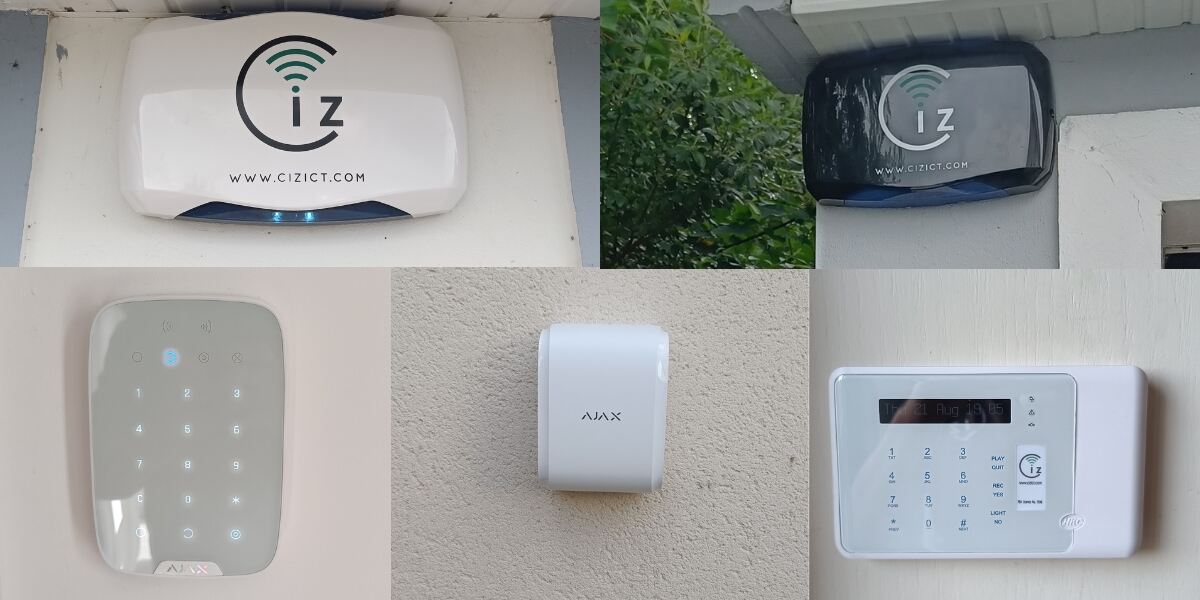
If you love the idea of a smart, app-controlled alarm but you want it to be "legit" in the eyes of the law, you should look toward professional systems. Brands like Ajax Systems and HKC are the industry leaders here for a reason.
These systems are the "gold standard" for modern security that actually ticks all the legal boxes in Ireland:
- Grade 2 Certified: Unlike most DIY kits, professional hardware from Ajax or HKC is fully EN 50131 Grade 2 certified. It’s built to withstand professional interference and signal jamming.
- PSA Approved: When we install these systems at Ciz ICT, we do it as PSA-licensed installers. This means your system is officially certified, documented, and recognised by insurers.
- Real Garda Response: Because these are professional systems, they can be linked to an accredited Irish monitoring centre. This gives you that all-important URN, meaning the professionals can call the Gardaí directly if there’s an intrusion.
- Modern Features: Don't worry about losing the "smart" feel. Both Ajax and HKC offer apps that allow you to arm, disarm, and monitor your home from anywhere in the world.
The Bottom Line
To be fair, a DIY system is a brilliant bit of kit for "peace of mind." If you just want to know if the dog has escaped or if a parcel has arrived, something like a Ring or Nest setup is spot on.
But if you are looking for a system that the Gardaí will respond to, and one that your insurance company will actually honour during a claim, you need to move out of the DIY aisle and into the professional world.
Not sure if your current setup is up to scratch? Contact us at Ciz ICT. We’re always happy to have a look at your property and give you a straight-up, jargon-free recommendation. No hard sell - just honest advice to make sure your home is as safe as you think it is.
Contact Us
We've a variety of ways for you to contact us. Click on the button below to view the options
Contact Us