HOW TO AVOID THE 3 BIGGEST ONLINE SHOPPING TRAPS THIS CHRISTMAS
The countdown to Christmas is on, and our inboxes are already overflowing with discount codes and flash sales. Unfortunately, cybercriminals know exactly how to use the festive shopping frenzy to their advantage.
Instead of wading through pages of complex security advice, here are the three most common traps catching out Irish shoppers right now, and how to safely sidestep them.
1. THE FAKE COURIER TEXT (SMISHING)
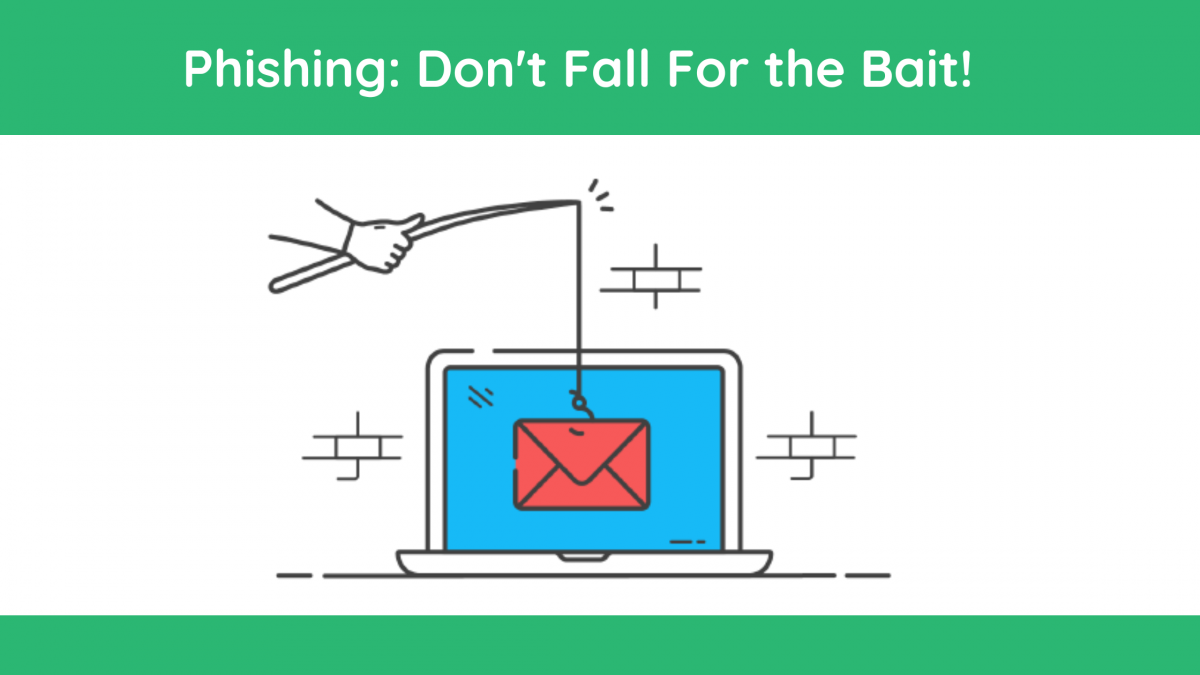
Post-purchase phishing (pronounced “fishing”) spikes sharply across November and December. Scammers distribute SMS messages imitating An Post, DPD, DHL, or Revenue. These texts claim that a package is delayed, requires address confirmation, or incurs a small handling fee of a couple of euros via an embedded link.
Couriers in Ireland will never send text messages demanding immediate card details or online banking login details to release standard parcels. Never tap the link in the text. Track shipments exclusively by manually entering your tracking ID into the courier's official app or verified website.
2. CLONED SOCIAL MEDIA ADS
Cybercriminals routinely run sponsored ads on platforms like Instagram, TikTok, and Facebook. These often feature stolen brand imagery, AI-generated media, and heavy markdowns of up to 80 per cent off luxury goods or trending toys. The countdown clocks and high-pressure pop-ups are designed to bypass your critical thinking.
If a deal looks too good to be true, it almost certainly is. Never tap directly through a social media ad to reach the checkout. Open a separate browser tab, look up the retailer independently, and navigate directly to their official site. Check for a physical postal address, a working landline phone number, and independent reviews on Trustpilot or similar.
3. THE PUBLIC WIFI RISK
It is tempting to knock out some Christmas shopping while waiting in a coffee shop or airport, but open public Wi-Fi networks are notoriously insecure. You should never submit credit card details, passwords, or personal data over a public network without a verified VPN. If you must buy something on the go, switch off your WiFi and use your mobile 4G or 5G network instead. DON’T shop over a free wifi network!
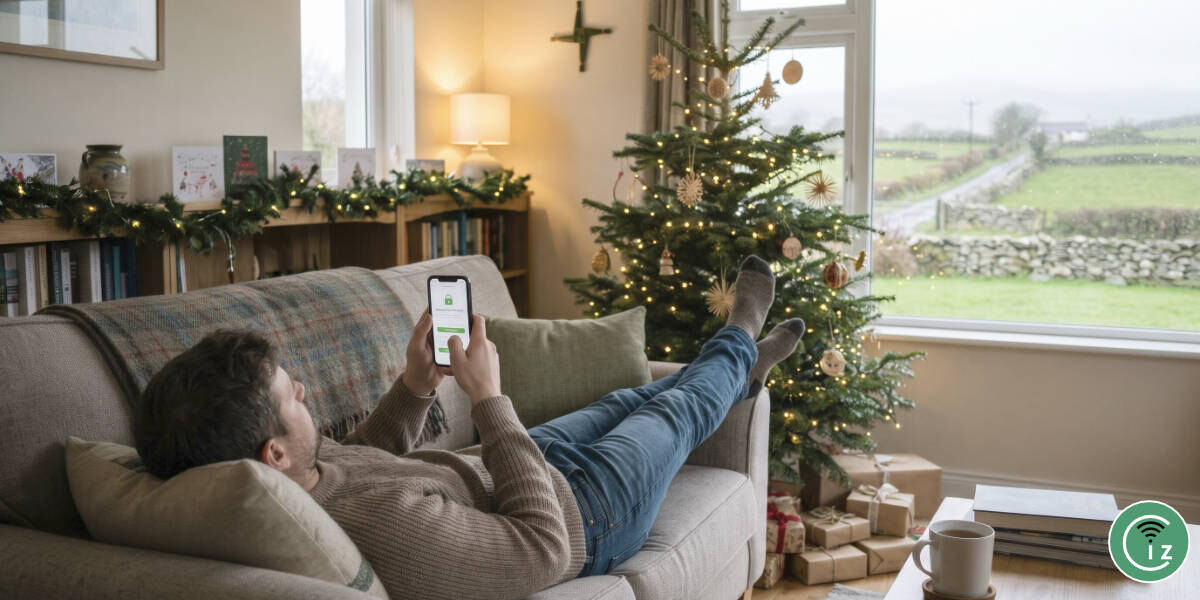
The safest way to shop online is from the comfort of a secure, professionally installed home network. A robust home setup keeps your personal data locked down behind a digital fence. If your current router is struggling to reach the living room sofa securely, contact our team today to discuss upgrading your home Wi-Fi.
WHAT TO DO IF YOU GET CAUGHT OUT
If you suspect you entered details on a spoof site or sent funds to a rogue seller, take these immediate steps:
- Stop communication: Cease all contact with the vendor or seller immediately.
- Contact your bank: Call the official emergency fraud number on the back of your bank card straight away. Ask them to cancel the card, block unauthorised outgoing transactions, and initiate a chargeback request.
- Report to An Garda Síochána: File a report with your local Garda station. The Garda National Economic Crime Bureau uses these reports to trace merchant accounts and issue public warnings.
- Log a complaint: If an established Irish or EU business fails to deliver or breaches cancellation rights, contact the Competition and Consumer Protection Commission (CCPC) helpline for consumer advice.